
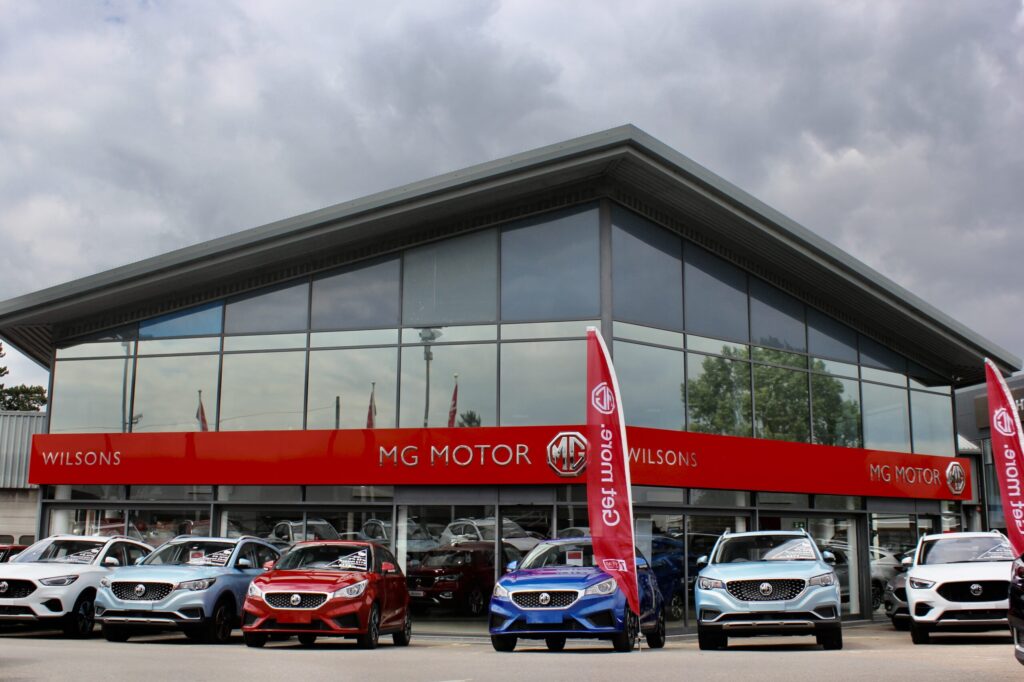
A car dealership with hearing loop technology is making customer interactions more accessible for individuals with hearing impairments. This innovation supports clearer communication during sales consultations and service appointments. Readers exploring car-dealership-with-hearing-loop will also find context in playmyworld-latest: What’s New in Digital Entertainment
How Hearing Loops Work in Automotive Retail Spaces
Hearing loops, also known as induction loops, transmit sound directly to hearing aids equipped with a telecoil (T-coil). When a customer activates the T-coil setting, audio from microphones or sound systems is sent wirelessly through a magnetic field generated by a loop installed around a room or counter. wikipedia.org/wiki/Tesla_US_dealership_disputes” rel=”noopener noreferrer” target=”_blank”>Tesla US dealership disputes
In a car dealership with hearing loop, this technology is typically installed at key customer-facing points such as sales desks, service counters, and financing offices. Staff members wear clip-on microphones that feed audio into the loop system, ensuring that spoken information reaches the customer’s hearing aid without background noise interference.
The system benefits not only customers but also employees who interact regularly with clients experiencing hearing loss. By reducing misunderstandings and the need for repetition, the technology streamlines communication and enhances overall service quality. carmotocar.com/2026/01/car-dealerships-with-hearing-loop.html” rel=”noopener noreferrer nofollow” target=”_blank”>Car Dealerships with Hearing Loop Accessibility
Why Accessibility Matters in Car Buying Experiences
Buying a car involves complex discussions about financing, warranties, features, and trade-in values—conversations that can be challenging for individuals with hearing difficulties. A car dealership with hearing loop removes a significant barrier by enabling real-time, clear dialogue without requiring customers to lip-read or rely on written notes.
According to the National Institute on Deafness and Other Communication Disorders, over 12% of U.S. adults aged 18 and older report some degree of hearing loss. This demographic represents a substantial portion of potential car buyers who may avoid dealerships where communication is difficult.
Dealerships that adopt inclusive technologies signal a commitment to equitable service. Such efforts align with broader disability inclusion goals and may also support compliance with the Americans with Disabilities Act (ADA), which encourages effective communication accommodations in public accommodations.
Beyond legal considerations, accessibility improvements can strengthen customer loyalty. Individuals with hearing loss often share positive experiences within their communities, leading to word-of-mouth referrals and repeat business.
What Is Confirmed and What Remains Unverified
Several automotive retailers in the United Kingdom and Scandinavia have publicly reported successful implementations, citing improved customer satisfaction scores.
However, widespread adoption in the United States remains limited. While some luxury brands and independent dealerships have installed hearing loops, there is no centralized database tracking how many U.S. dealerships currently use the technology.
Additionally, the effectiveness of hearing loops depends on proper installation and staff training. Poorly calibrated systems or untrained employees can diminish the user experience. Experts recommend that dealerships consult certified audiologists or accessibility specialists during setup.
Another unverified aspect is customer awareness. Many individuals with hearing aids may not know their devices support T-coil functionality or how to activate it. Dealerships that provide brief instructions or signage can help bridge this knowledge gap.
Why Inclusive Design Benefits Everyone
Investing in a car dealership with hearing loop is not just about accommodating a specific group—it reflects a forward-thinking approach to customer service. Clear communication benefits all clients, especially in noisy environments like busy showrooms or service centers.
Moreover, as the population ages, the prevalence of hearing loss is expected to rise. Proactive accessibility measures position dealerships to serve future customers more effectively. These efforts also align with corporate social responsibility goals and can enhance brand reputation.
For those interested in broader trends in digital inclusivity, playmyworld-latest: What’s New in Digital Entertainment explores how technology is reshaping user experiences across industries.
While hearing loops are not yet standard in automotive retail, their potential to improve equity and efficiency makes them a compelling upgrade. As awareness grows, more dealerships may follow suit, setting new benchmarks for inclusive customer care.
