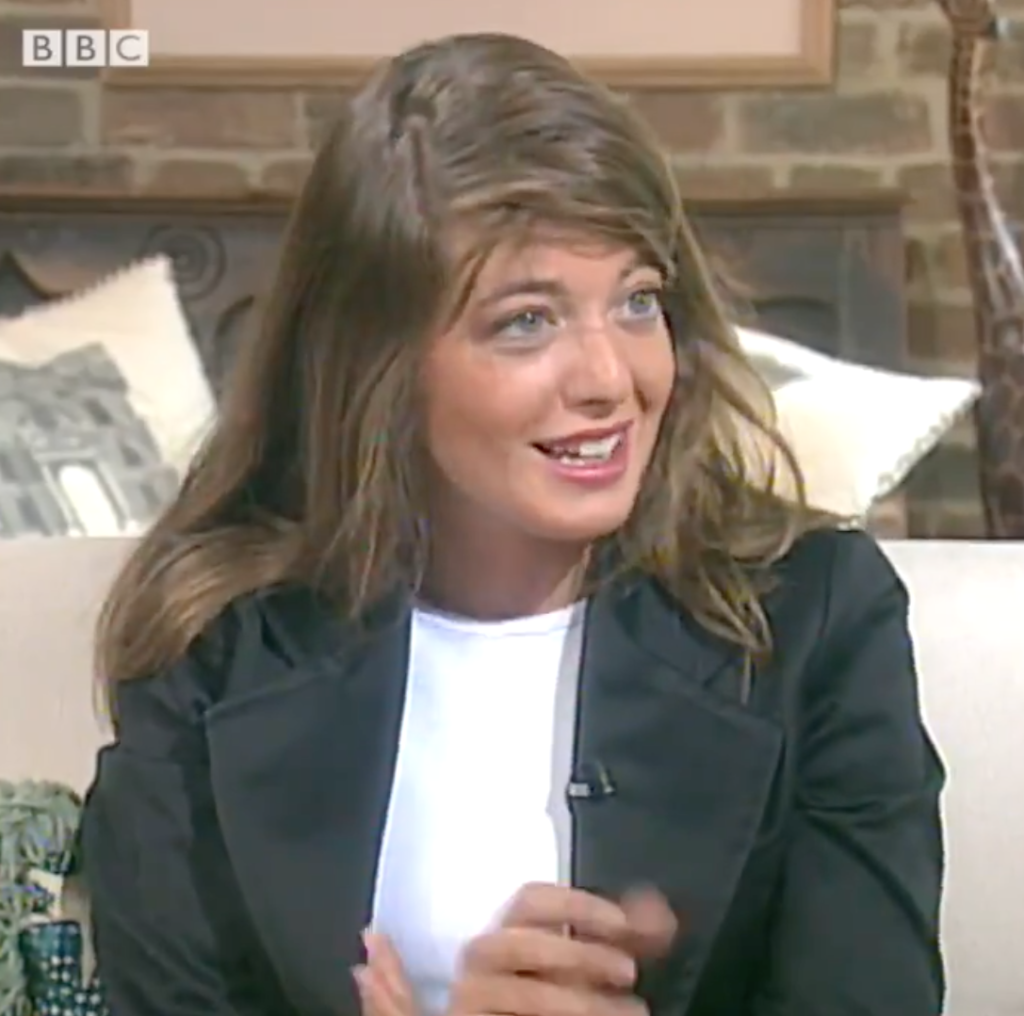
Claudia Winkleman Young began her journey in British media during the 1990s. She quickly became known for her sharp wit and distinctive presenting style. On a related note, car-dealership-with-hearing-loop – Car Dealership with Hearing Loop Improves Accessibility adds useful context
Early Life and Family Background
Born in London in 1972, Claudia Winkleman grew up in a family deeply connected to journalism and broadcasting. Her father, Barry Winkleman, was a well-known newspaper editor, while her half-sister, Emma Winkleman, also pursued a career in television. Public records covering this story are gathered in The Traitors (British TV series)
The Winkleman family’s influence provided Claudia with early exposure to media environments. This background helped shape her understanding of storytelling and public communication from a young age.
She attended the City of London School for Girls before studying at New Hall, Cambridge, where she read Art History. Her time at university allowed her to explore creative fields while developing her analytical skills. Public records covering this story are gathered in Strictly's Claudia Winkleman shares photos of her young self from early …
First Steps in Journalism and Broadcasting
Claudia Winkleman Young began her professional career as a journalist. She wrote for several publications, including The Independent and The Sunday Times, focusing on film and television reviews.
Her writing style stood out for its humor and insight. This reputation led to opportunities in broadcast media, where she transitioned from print to on-screen presenting.
In 1991, she joined the BBC as a researcher for the arts program ‘The Late Show.’ This role marked her official entry into television production and gave her firsthand experience in studio operations.
By the mid-1990s, she was contributing to Channel 4’s ‘The Word,’ a youth-oriented show known for its edgy content. Her segments often featured celebrity interviews and pop culture commentary.
Rise as a Television Presenter
Claudia Winkleman Young gained wider recognition in the early 2000s. She became a regular presenter on BBC Two’s ‘Film…’ program, where she reviewed new releases and interviewed filmmakers.
Her relaxed yet incisive interviewing style resonated with audiences. She brought a fresh energy to film criticism, blending expertise with accessibility.
In 2004, she began co-presenting ‘The National Lottery: Winning Lines’ on BBC One. The show’s prime-time slot increased her visibility across the UK.
She later hosted ‘Comic Relief Does Fame Academy’ and ‘Let’s Dance for Comic Relief,’ both charity-based entertainment programs. These roles showcased her versatility and ability to engage diverse audiences.
What Is Confirmed and What Remains Unverified
However, specific details about her early childhood and private life remain limited, as she has maintained a relatively low personal profile.
No official records indicate a legal name change during that period.
Her influence on younger presenters is frequently cited in media retrospectives, but direct testimonials from peers are scarce in public domains.
Why Her Early Career Matters for Media Professionals
Claudia Winkleman Young’s trajectory illustrates how print journalism can serve as a foundation for broadcast success. Her ability to adapt her writing voice to on-screen delivery offers a model for aspiring media professionals.
Her early roles in arts programming highlight the value of niche expertise in building credibility. By focusing on film and culture, she carved out a distinct identity in a competitive industry.
For current broadcasters, her career demonstrates the importance of versatility. Moving between scripted shows, live events, and charity specials allowed her to sustain relevance over decades.
Her journey also reflects broader shifts in British media, where multi-platform presence became essential. Starting in the pre-digital era, she navigated the transition to 24-hour news and social media engagement.
Understanding her early years provides context for her later achievements, including hosting ‘The Great British Sewing Bee’ and presenting the BAFTA TV Awards.