

The low taper mullet has emerged as one of the most talked-about hairstyles in modern men’s grooming, blending old-school attitude with clean, contemporary precision. Unlike the exaggerated mullets of the past, today’s low taper mullet is refined, intentional, and surprisingly versatile. It keeps the rebellious spirit of the mullet alive while introducing a polished taper that makes the haircut suitable for everyday wear. This balance is what makes the style appealing to a wide audience, from trend-focused teenagers to style-conscious professionals.
What truly sets the low taper mullet apart is its adaptability. It can be styled neat and controlled for formal settings or worn textured and relaxed for a casual, street-style vibe. Barbers and hairstylists appreciate this cut because it allows customization based on face shape, hair type, and lifestyle. In this guide, you’ll gain a complete understanding of what a low taper mullet is, how it evolved, who it suits best, and how to style and maintain it confidently.
What Is a Low Taper Mullet?
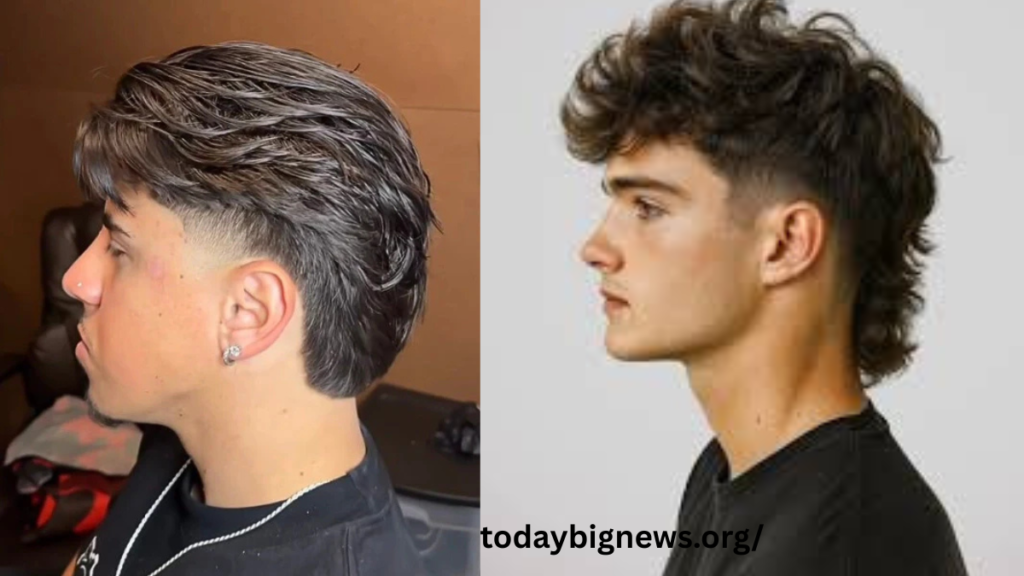
A low taper mullet is a modern haircut that combines a subtle taper on the sides and neckline with longer length at the back. The taper starts low near the ears and nape, gradually blending into the longer hair rather than creating a sharp contrast. This creates a clean, smooth transition that feels polished while still allowing the back section to stand out. The result is a hairstyle that looks intentional rather than extreme.
Unlike the traditional mullet, which often featured dramatic length differences and harsh lines, the low taper mullet focuses on balance. The top is usually left with enough length for styling, while the sides remain neat and controlled. This makes the haircut more wearable in everyday life and easier to maintain. It’s a perfect example of how classic styles can be reimagined to suit modern grooming standards.
History and Evolution of the Mullet
The mullet has a long and fascinating history, dating back centuries before it became a pop-culture phenomenon. In the late 20th century, it exploded in popularity thanks to musicians, athletes, and celebrities who embraced its bold “business in the front, party in the back” identity. Over time, however, the traditional mullet became associated with excess and outdated fashion, leading to its decline.
In recent years, barbers and stylists have revived the mullet by refining its shape and structure. The low taper mullet emerged as a response to modern style demands, offering a cleaner and more intentional version of the classic look. By softening the sides and introducing subtle blending, the mullet was transformed from a novelty haircut into a fashionable statement. This evolution reflects a broader trend in men’s grooming, where individuality meets precision.
Key Features of a Low Taper Mullet
One of the defining features of the low taper mullet is the gradual taper along the sides and neckline. This taper sits low, meaning it doesn’t climb too high on the head, preserving fullness while still creating a sharp outline. The back remains longer, often layered or textured to enhance movement and shape.
Another key element is versatility. The top can be styled in various ways, from sleek and combed to messy and textured. This flexibility allows the haircut to adapt to different personalities and occasions. Whether you prefer a bold, edgy look or a subtle, refined style, the low taper mullet offers endless customization options.
Low Taper Mullet vs Other Mullet Styles
Compared to other mullet variations, the low taper mullet stands out for its subtlety. A burst fade mullet, for example, creates a dramatic semicircle fade around the ears, while a high taper mullet introduces sharper contrast. The low taper mullet, on the other hand, prioritizes smooth transitions and a balanced silhouette.
This makes it ideal for individuals who want to experiment with a mullet without committing to an extreme look. It’s a gateway style that offers the essence of a mullet while remaining socially versatile. The low taper mullet proves that bold hairstyles don’t have to be overpowering to make a statement.
Best Face Shapes for a Low Taper Mullet
The low taper mullet works particularly well with oval, square, and diamond face shapes because it enhances natural proportions. The added length at the back elongates the face, while the clean sides frame it neatly. For round faces, the haircut can be adjusted by keeping more height on top to create a slimming effect.
Barbers often customize the taper and back length to complement individual features. This adaptability ensures that the haircut enhances facial structure rather than overpowering it. With the right adjustments, almost anyone can pull off a low taper mullet confidently.
Low Taper Mullet for Different Hair Types
Hair type plays a crucial role in how a low taper mullet looks and behaves. Straight hair offers a sleek, defined appearance, making the taper and back length clearly visible. Wavy hair adds natural texture, giving the haircut a relaxed and stylish flow.
Curly hair brings volume and personality to the low taper mullet, creating a bold yet controlled look. With proper layering and product use, even thick or thin hair can be styled effectively. This versatility is one of the haircut’s strongest advantages.
Styling and Maintenance
Styling a low taper mullet depends on the desired finish. Lightweight pomades or clays work well for textured looks, while creams and gels offer a sleeker appearance. Blow-drying the top can add volume, while finger-styling keeps the look natural.
Maintenance is relatively simple but consistent. Regular trims every few weeks keep the taper sharp and the back shaped. With the right routine, the low taper mullet remains fresh, stylish, and easy to manage.
Conclusion
The low taper mullet is more than just a haircut—it’s a modern expression of individuality and confidence. By combining clean tapering with bold length, it bridges the gap between classic rebellion and contemporary grooming. Its adaptability, versatility, and timeless appeal make it one of the most exciting hairstyles today.
You read: Nionenad
