
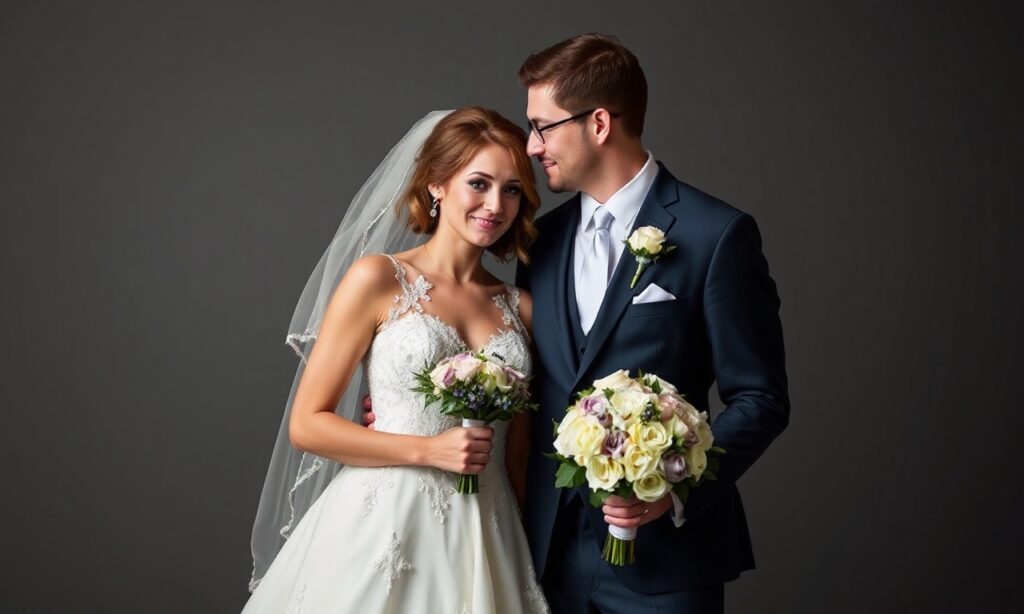
The question “is-rebecca-wood-married” often arises among those researching influential women in American history, particularly in the fields of education and social reform. Rebecca Wood, later known as Rebecca Wood Watkin, was a pioneering figure whose contributions to women’s education and moral reform in the 19th century left a lasting legacy. While her professional achievements are well-documented, details about her personal life—especially her marital status—are less commonly discussed. See our homepage guide on is-rebecca-wood-married for a related article on this site
Rebecca Wood was born in 1827 in New Hampshire and grew up during a time when educational opportunities for women were extremely limited. Despite these challenges, she pursued higher learning and became one of the first women to graduate from a women’s seminary in the United States. Her dedication to education and social improvement quickly set her apart as a leader among her peers. For broader background, Rebecca Wood Watkin explains the topic in more detail
Is Rebecca Wood Married? The Facts
Yes, Rebecca Wood was married. She wed Rebecca Wood Watkin, a fellow educator and reformer, in 1853. Their marriage was not only a personal union but also a partnership in advocacy and education. Together, they worked to advance opportunities for women and promote moral and intellectual development in young people.
Their shared vision led them to co-found several educational institutions, including a prominent seminary for young women in Ohio. The couple believed that education was a powerful tool for social change, especially for women who were often excluded from traditional academic and professional paths. Their collaborative efforts helped shape the curriculum and philosophy of women’s education in the mid-1800s. For broader background, Rebecca Wood The Renowned BBC Midlands Today Presenter explains the topic in more detail
Marriage as a Partnership in Reform
Unlike many marriages of the era, which were often defined by traditional gender roles, Rebecca Wood’s union with her husband was marked by equality and shared purpose. Both were deeply committed to social reform, particularly in the areas of temperance, women’s rights, and education. Their partnership exemplified how marriage could serve as a platform for collective action and public service.
They frequently traveled together to deliver lectures, organize educational programs, and advocate for policy changes that supported women’s access to learning. Their joint efforts were recognized by contemporary reformers, who praised their dedication and vision. This collaborative model of marriage was relatively rare at the time and contributed to their lasting influence.
Legacy Beyond Marriage
While the question “is-rebecca-wood-married” highlights an important aspect of her life, it is her broader legacy that truly defines her historical significance. Rebecca Wood Watkin was instrumental in establishing standards for women’s education that emphasized intellectual rigor, moral development, and civic responsibility. She believed that educated women could transform society from within, and she worked tirelessly to make that vision a reality.
Her writings and speeches continue to be studied by historians interested in 19th-century reform movements. She advocated for the inclusion of science, literature, and philosophy in women’s curricula—subjects that were often reserved for men. By doing so, she challenged prevailing notions about women’s intellectual capabilities and helped pave the way for future generations of female scholars.
Personal Life and Later Years
After decades of public service, Rebecca Wood Watkin continued to be active in educational and reform circles well into her later years. She and her husband retired to a quiet life in Ohio, where they remained involved in local community initiatives. Though they had no children, they mentored numerous young women who went on to become educators and activists themselves.
Her personal correspondence reveals a woman of deep conviction, compassion, and resilience. Letters to friends and colleagues show her concern for social justice, her love of learning, and her unwavering belief in the potential of every individual to contribute meaningfully to society. These private reflections offer valuable insight into the person behind the public figure.
Why the Question Matters
Understanding whether Rebecca Wood was married is more than a matter of biographical curiosity—it provides context for her life’s work. Her marriage was not a diversion from her mission but an extension of it. By partnering with someone who shared her values, she was able to amplify her impact and sustain her efforts over many decades.
For those researching women’s history, her story serves as a reminder that personal relationships can play a crucial role in shaping public achievement. It also challenges outdated assumptions about the lives of historical figures, particularly women, whose contributions are sometimes reduced to their marital status rather than their accomplishments.
If you’re interested in learning more about influential women like Rebecca Wood, be sure to visit our homepage guide on is-rebecca-wood-married for additional resources and historical context.
